Start Here: Proven Organic Gardening for Beginners UK (Simple Guide)
Organic gardening for beginners UK gardeners can follow is simple, practical, and achievable in any space.
If you are new to organic gardening in the UK, this Start Here page will guide you through the basics in a clear and practical way. Whether you have a small garden, a patio, a balcony, or just a few containers, you can grow fresh food without chemicals and without needing years of experience. This page explains the core principles, the easiest places to begin, and the simple steps that help you avoid common mistakes.
Organic Gardening for Beginners UK Basi
Organic gardening is not complicated. It is simply a way of growing that works with nature instead of fighting against it. You do not need expensive gardening equipment or specialist knowledge. You only need a few reliable methods, a little patience, and an understanding of how plants grow in the UK’s unpredictable climate. This guide gives you the foundation you need to start confidently.
Organic gardening doesn’t need to be complicated — and with the right crops, anyone can enjoy fresh, home‑grown produce without chemicals or fuss.
What Organic Gardening Really Means
Organic gardening focuses on healthy soil, natural pest control, and sustainable growing methods. Instead of relying on chemical fertilisers or pesticides, you build a garden that supports itself. Healthy soil produces stronger plants. Stronger plants resist pests and diseases more easily. This approach is safer for wildlife, better for long‑term soil health, and more rewarding for you as a gardener.
Many small gardens, patios, and balconies are perfect for organic gardening for beginners UK residents who want an easy first step.
In the UK, organic gardening works particularly well because many crops prefer cooler temperatures and regular rainfall. You do not need perfect weather or a large space. You simply need to choose the right plants and follow a few simple routines.
Start With Easy Crops
Let’s look at the top ten easiest vegetables to grow in the UK — and how to grow them organically. Anyone starting organic gardening for beginners UK style will benefit from keeping their first steps simple and manageable.
This guide supports organic gardening for beginners UK residents who want clear, practical advice without complicated methods.

When you are new to gardening, choosing the right garden tools and the best crops to grow makes a huge difference. Some vegetables are naturally forgiving and grow well even if the UK weather is unpredictable or you forget to water occasionally. These include peas, lettuce, radishes, spinach, and courgettes. They grow quickly, give reliable results, and help you build confidence.
ary are all simple to grow. They work well in pots and provide fresh flavour throughout the year. Starting with easy crops helps you learn the basics without
Use Containers If You Have Limited Space
You do not need a large garden to grow your own food. Containers, pots, and raised beds are perfect for beginners. They warm up faster in spring, drain well, and allow you to control the soil quality. Many vegetables grow happily in containers, including lettuce, spinach, spring onions, dwarf beans, and compact courgette varieties.
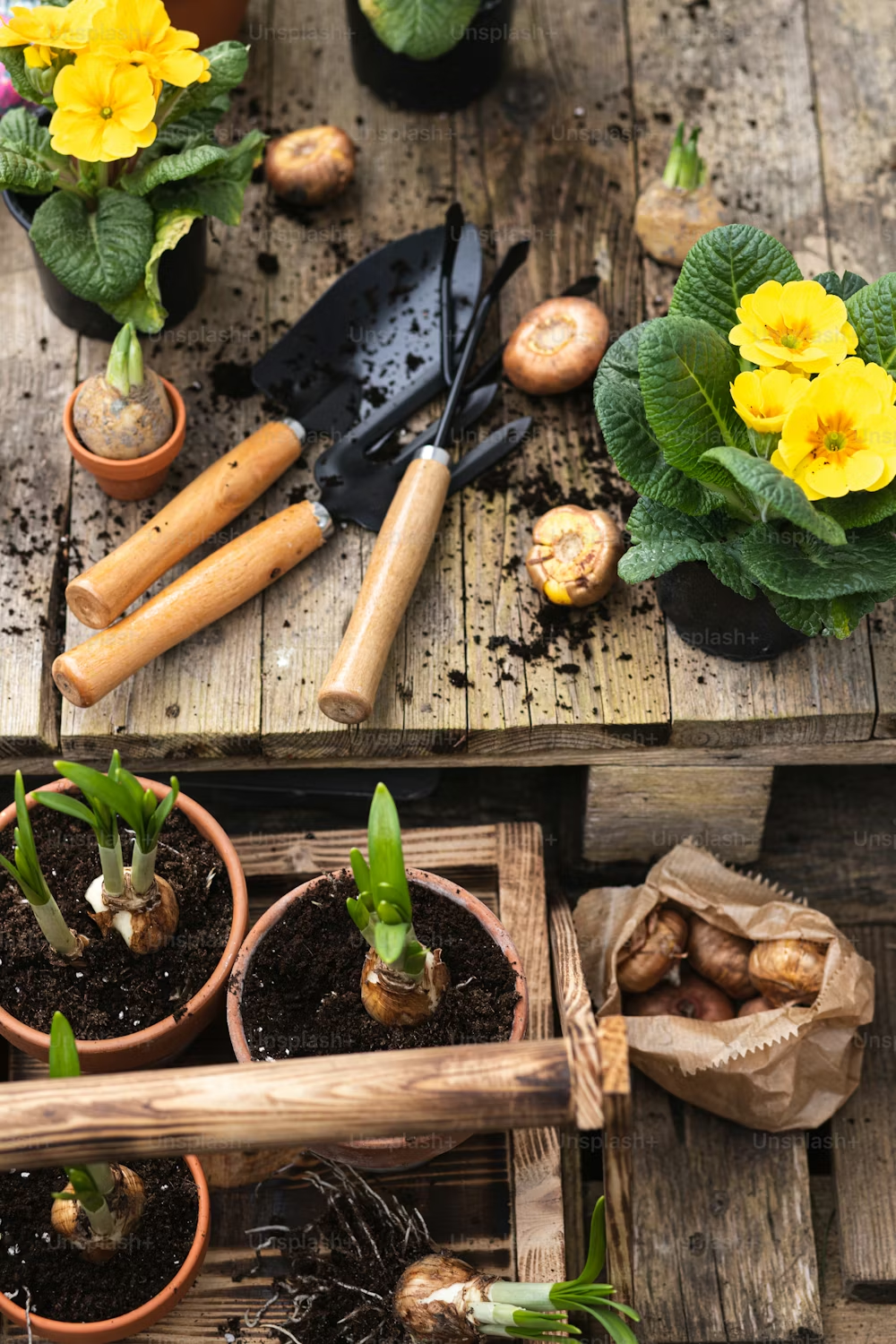
Choose containers with drainage holes and fill them with fresh compost each year. Water regularly, especially in warm weather, and feed plants with an organic liquid fertiliser if needed.
Build Healthy Soil
Healthy soil is the foundation of organic gardening. It holds moisture, provides nutrients, and supports beneficial organisms. You can improve your soil by adding compost, leaf mould, or well‑rotted manure. Even small amounts make a noticeable difference.
If you are gardening in containers, use a good quality peat‑free compost. If you are gardening in the ground, add organic matter once or twice a year. Over time, your soil becomes richer, easier to work with, and more productive.
Natural Pest Control
Pests are a normal part of gardening, but you do not need chemicals to manage them. Slugs, snails, aphids, and caterpillars can all be controlled using simple organic methods. These include hand‑picking, barriers, wildlife‑friendly traps, and encourging natural predators such as birds, frogs, and ladybirds.
Good garden hygiene also helps. Remove dead leaves, avoid overcrowding plants, and water in the morning rather than the evening. Healthy plants are naturally more resistant to pests.

Learn As You Grow
Organic gardening for beginners UK is a gradual process. You learn by doing, observing, and adjusting. Start small, choose a few easy crops, and expand as your confidence grows. Keep notes on what works well in your garden, because every space is different.
Many people starting organic gardening for beginners UK style find that simple routines and small steps make the biggest difference.
For reliable, science‑based advice, the RHS provides helpful information for UK gardeners. Many people starting organic gardening for beginners UK style appreciate how simple the first steps can be.
Watering & Care Tips for Beginner
- Water deeply once or twice a week
- Mulch early to reduce watering
- Use mesh to protect carrots and lettuce
- Harvest regularly to keep plants producing
- Feed courgettes and beans every 10–14 days
These simple habits make the easiest vegetables to grow UK even easier. Choosing easy crops as well as equiping yourself with the correct gardening tools is a key part of organic gardening for beginners UK newcomers who want quick success. After all the work is completed in your garden when the weather permits, do not forget it is nice to sit and relax afterwards and admire the fruits of your hard work.
Natural Pest Control for Easy Crops
Use these organic methods:
- Fine mesh netting
- Slug collars
- Copper tape
- Companion flowers (marigolds, nasturtiums)
- Regular harvesting
July can catch beginners out because hot spells often lead to accidental overwatering. Plants look stressed in the heat, so it’s easy to assume they need more water than they actually do. A better approach is deeper watering early in the morning, letting the soil dry slightly between sessions, and using mulch to keep moisture where it’s needed. This simple routine helps prevent root rot and keeps vegetables growing steadily through warm weather. If you’re picking up any watering tools or accessories this month, you can check current offers through my voucher page here
FAQ — Starting an Organic Vegetable Garden in the UK
What is the first step in starting a garden Choose a sunny spot with 6–8 hours of light and good drainage.
Do I need perfect soil to start No — adding compost improves almost any soil quickly.
What are the easiest vegetables for beginners Lettuce, beans, peas, potatoes, courgettes, beetroot and herbs.
Can You Recommend Any Fruit Plants Growing your own fruit is very rewarding beginner‑friendly varieties such as strawberries, raspberries, blueberries, and dwarf fruit trees are great examples
How do I garden without chemicals Use compost, mulch, crop rotation, and natural pest control.
How much time does a small garden take Most beginners manage well with 1–2 hours a week. No dig garden beds as the name suggests mean no digging reducing time to have a productive garden
how much water is too much for vegetables
organic gardening mistakes beginners should avoid
Growing beginners can also check the Royal Horticultural Society’s advice on easy vegetables for UK gardens.