Beginner‑friendly tools, checklists, and practical gear that make gardening easier.
Tools and equipment needed for starting an organic garden this doesn’t require expensive equipment or a shed full of tools. A small set of reliable, beginner‑friendly tools is all you need to prepare soil, sow seeds, water plants, and keep your garden healthy throughout the year.
This page brings together the essential tools and equipment, helpful extras, and simple checklists to help you choose the right equipment without wasting money.
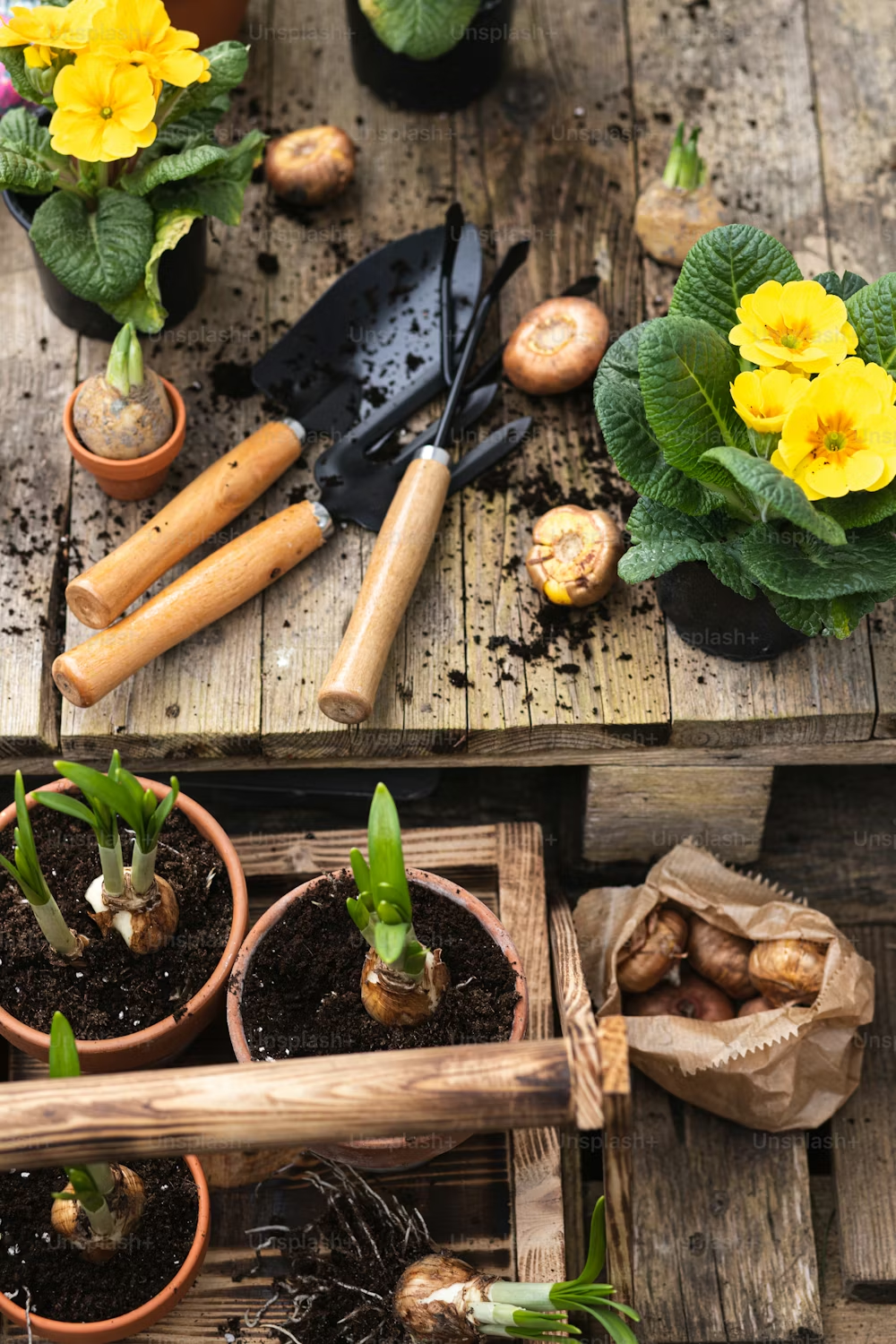
Essential Tools and Equipment for Every Organic Gardener
1. Hand Trowel
Perfect for planting seedlings, moving compost, and working in raised beds. Choose one with a comfortable grip and a strong stainless‑steel blade.
2. Hand Fork or Cultivator
Useful for loosening soil, removing weeds, and mixing in compost around plants.
3. Secateurs (Pruners)
A sharp, reliable pair of secateurs makes pruning, harvesting, and tidying plants much easier.
4. Watering Can or Hose with Gentle Spray
Young seedlings need gentle watering. A rose‑head watering can or a hose with a soft spray setting works best.
5. Gardening Gloves
Protect your hands from thorns, splinters, and rough compost. Choose gloves that are flexible and breathable.
Helpful Tools That Make Gardening Easier
6. Garden Kneeler or Pad
Reduces strain on knees and makes planting more comfortable — especially useful for 50+ gardeners.
7. Compost Scoop
A deep, wide scoop makes filling pots and spreading compost quicker and cleaner.
8. Soil Rake
Ideal for levelling soil, preparing beds, and spreading compost evenly.
9. Water Butt or Rain Barrel
Collecting rainwater is eco‑friendly and perfect for organic gardens.
10. Garden Trug or Bucket
Useful for carrying tools, weeds, compost, or harvested vegetables.
🌾 Tools for Raised Beds & No‑Dig Gardening
11. Long‑Handled Hoe
Great for weeding paths and between rows without bending.
12. Garden Fork
Useful for turning compost or lifting heavy materials — not needed often in no‑dig, but handy to have.
13. Mulching Materials
Cardboard, compost, or woodchip help suppress weeds and improve soil health.

Seed‑Starting Tools
14. Seed Trays or Modules
Reusable trays help you start seeds neatly and reduce waste.
15. Peat‑Free Compost
Choose a fine, peat‑free mix suitable for seedlings.

16. Plant Labels
Simple but essential — it’s easy to forget what you planted.
17. Spray Bottle or Fine Mister
Prevents overwatering delicate seedlings.
Simple Tools Checklist
For beginners, this is all you need to get started:
- Hand trowel
- Hand fork
- Secateurs
- Watering can
- Gloves
- Seed trays
- Peat‑free compost
- Plant labels
Everything else can be added gradually as your garden grows.
Coming Soon
This page will soon include:
- Recommended tools for beginners
- Printable checklists
- Tool care and maintenance tips
- Optional upgrades for raised beds and greenhouses